
Investing in European stocks can be an interesting way for beginners to build long-term wealth and participate in the growth of established companies. European stock markets include businesses from many industries, such as banking, healthcare, technology, automotive, energy, and consumer goods. However, beginners should understand how stock investing works before putting their money into the market.
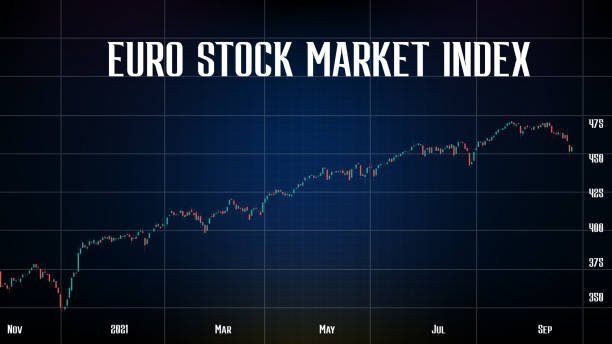
Learn the Basics of Stock Investing
A Investing in European Stocks represents a small ownership interest in a company. When you buy shares, your investment can increase if the company’s share price rises. Some companies may also pay dividends to shareholders.
Stock prices can move up and down because of company performance, economic conditions, interest rates, investor sentiment, and other factors. Therefore, investing in stocks involves risk, and there is no guarantee of making a profit.
Choose European Markets
Europe has several major Investing in European Stocks exchanges, including markets in countries such as Germany, France, the Netherlands, Spain, Italy, Switzerland, and the United Kingdom.
Beginners should understand the market they want to invest in and learn about the companies listed there. It can be useful to start with well-established businesses that have a long operating history and publicly available financial information.
Open an Investment Account
To buy European stocks, you generally need an account with a regulated investment platform or broker that provides access to the markets you want to trade.
Before choosing a broker, compare trading fees, account charges, currency-conversion costs, available markets, investment products, and security features. Also check whether the platform is properly regulated in the relevant jurisdiction.
Start With a Small Amount
Beginners do not need a large amount of money to start learning about investing. Starting with a manageable amount can help you understand how markets work without taking excessive financial risk.
Avoid investing money that you need for rent, bills, emergency expenses, or other short-term financial commitments.
Consider Diversification
Putting all your money into one Investing in European Stocks company can expose you to significant risk. If that company performs poorly, your entire investment could lose value.
Diversification means spreading investments across different companies, industries, and potentially countries. Some beginners may also consider diversified funds or exchange-traded funds that provide exposure to multiple European companies.
Research Companies Before Buying
Before purchasing a stock, look at the company’s financial health and business prospects. Important areas to consider include revenue, profits, debt, cash flow, competitive position, and future growth plans.
Also consider whether the current share price appears reasonable compared with the company’s financial performance. Avoid buying a stock simply because it has recently risen or because it is popular online.
Understand Dividends
Some Investing in European Stocks companies pay dividends to shareholders from their profits. Dividend investing can provide an additional source of potential returns.
However, a high dividend yield does not automatically mean a stock is a good investment. A company may have a high yield because its share price has fallen or because its dividend may not be sustainable.
Pay Attention to Currency Risk
Currency movements can affect international investors. For example, if you invest in a euro-denominated stock while your personal finances are in another currency, changes in the exchange rate can influence the value of your investment when converted back into your home currency.

Understand the currency exposure of your investments before making a decision.
Think Long Term
Investing in European Stocks generally works better when you focus on long-term goals rather than trying to predict daily price movements. Markets can experience short-term volatility, and prices may fall even when a company’s long-term prospects remain strong.
A long-term approach can help investors avoid making emotional decisions during periods of market uncertainty.
Understand Taxes and Investment Costs
Taxes on dividends, capital gains, and investment income can differ between European countries. If you invest across borders, your tax situation may become more complicated.
Trading commissions, fund fees, currency-conversion charges, and account fees can also reduce investment returns. Always understand these costs before investing.
Avoid Common Beginner Mistakes
New investors often make mistakes such as investing based on social-media recommendations, buying without research, trading too frequently, or putting too much money into one stock.
Another common mistake is expecting quick profits. Successful investing usually requires patience, research, risk management, and consistent decision-making.
Final Thoughts
Starting to invest in European stocks does not have to be complicated. Learn the basics, choose a regulated broker, research companies carefully, diversify your investments, and start with an amount you can afford to leave invested for the long term.

Most importantly, remember that stocks can lose value. A sensible investment strategy should match your financial goals, risk tolerance, time horizon, and personal circumstances.